

Curio & Relic FFL Is it still worth it ?
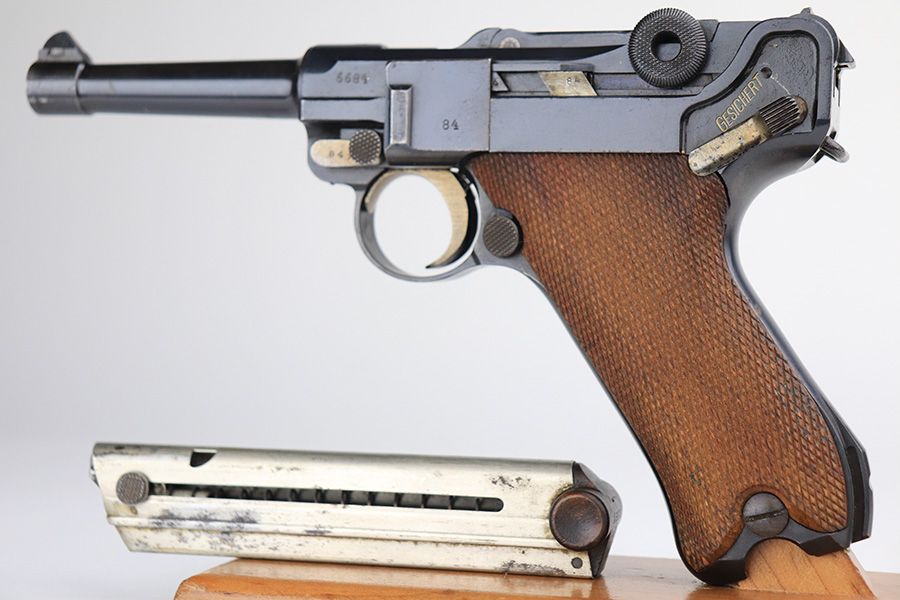
A Curio and Relic Federal Firearms License—better known as a Type 03 FFL or C&R license—still makes a lot of sense for gun enthusiasts in 2026. While the market has changed over the years and surplus imports are not as plentiful as they were in the 1990s or early 2000s, the number of firearms qualifying for C&R status keeps growing every year. Since any firearm that is at least 50 years old and still in its original configuration automatically qualifies, the pool of eligible guns now stretches well into the mid-1970s. That means collectors are no longer limited to bolt-action war rifles and early revolvers. Today, a C&R holder can legally acquire everything from World War II battle rifles to classic Cold War-era handguns and even some early semi-automatic sporting rifles.
One of the biggest reasons to keep a C&R license is convenience. Instead of paying transfer fees and making repeated trips to a local gun shop, a licensed collector can have qualifying firearms shipped directly to their door from out-of-state sellers. For someone who buys several collectible firearms per year, the license can pay for itself very quickly in saved transfer costs alone. A Type 03 FFL is specifically intended for collectors, not for operating a firearms business, but it remains one of the most affordable and practical licenses in the gun world.
Another reason a C&R license remains attractive is that the “rolling” 50-year rule keeps adding more interesting firearms every year. In 2026, firearms manufactured in 1976 or earlier are becoming eligible. That means many early semi-automatic pistols, hunting rifles, military surplus guns, and Cold War-era service firearms are now entering the C&R market. Collectors who once focused only on World War II guns are increasingly branching out into Vietnam-era and Cold War firearms because they are now becoming legally easier to acquire through a C&R license.
For military surplus enthusiasts, a C&R license is still one of the best ways to build a historically interesting collection. The classic World War II guns are still highly desirable, and most remain readily available through auction sites, estate sales, and specialty dealers. A collector can still buy iconic rifles like the M1 Garand, M1 Carbine, Karabiner 98k, Lee-Enfield No. 4 Mk I, Mosin-Nagant M91/30, and SVT-40 under a C&R license as long as the specific firearm is in original configuration. Originality matters because heavily modified or “sporterized” firearms may lose their C&R status.
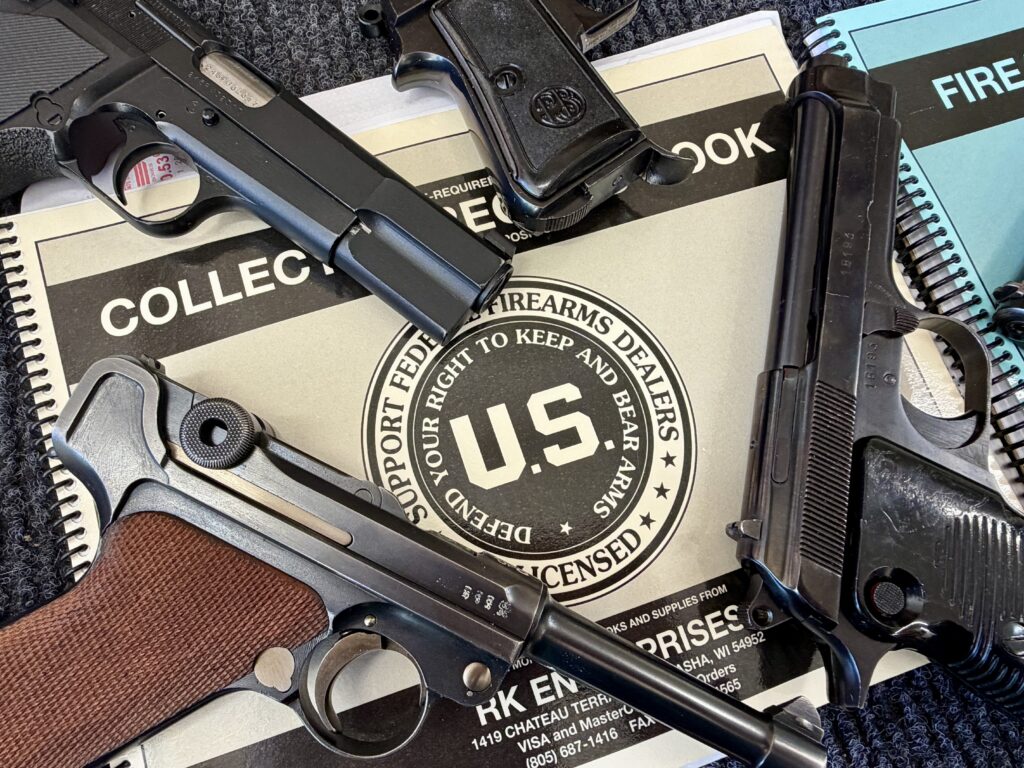
Collectors who enjoy military pistols also have a huge range of options. Many wartime and Cold War handguns qualify, including the Colt M1911A1, Walther P38, Luger P08, Tokarev TT-33, Browning Hi-Power, and CZ 52. Certain contract versions of the Browning Hi-Power, such as wartime Canadian or Chinese contract guns, are specifically listed by ATF as curios and relics.
One overlooked advantage of having a C&R license in 2026 is that some “modern-feeling” firearms now qualify. Enthusiasts are often surprised to learn that early-production examples of guns from the 1960s and 1970s can now fall under the C&R umbrella. For example, early versions of the Colt Python, Smith & Wesson Model 29, Browning BLR, Ruger Mini-14, and Colt SP1 AR-15 are entering C&R territory if they were manufactured early enough. A collector who likes both historic and practical firearms can therefore own guns that still feel modern while also benefiting from the easier transfer process of a Type 03 FFL.
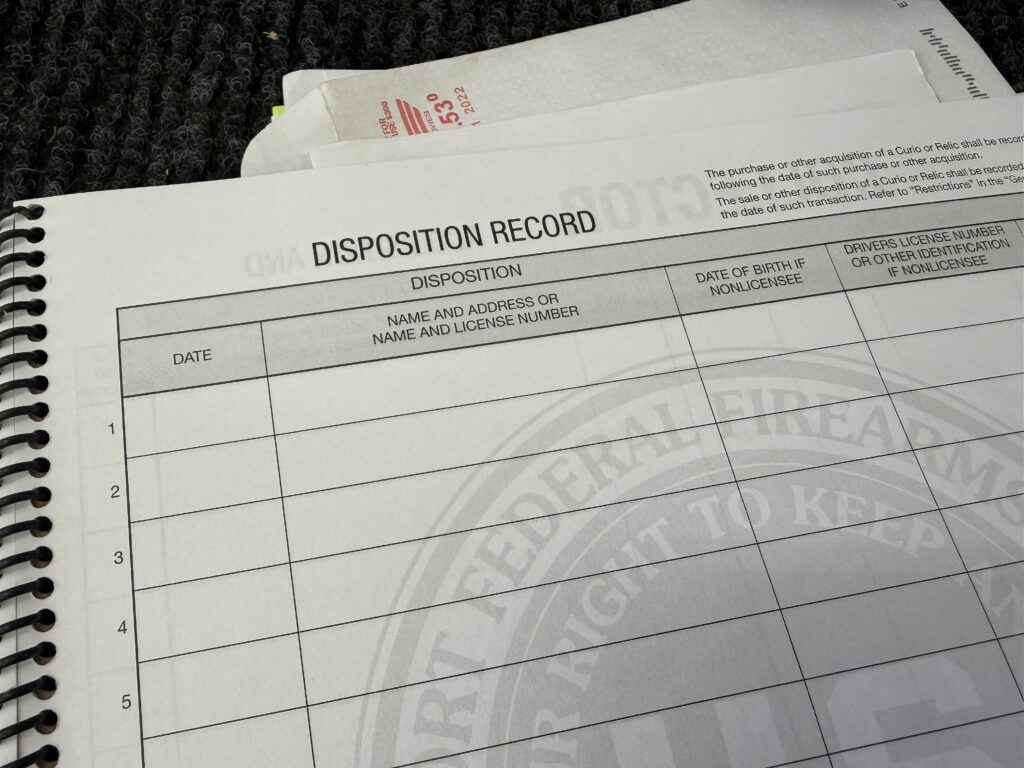
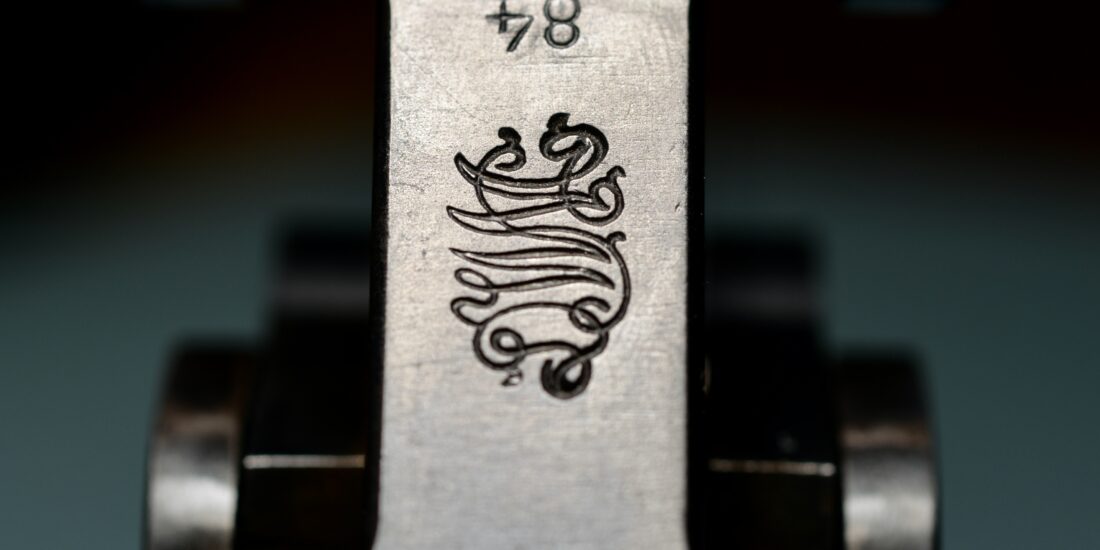
There are also some unusual and exotic firearms that qualify. Certain rare handguns, commemorative editions, museum-certified firearms, and even some National Firearms Act weapons can qualify as curios and relics. Original stocked Mauser C96 pistols, vintage artillery Lugers, and older transferable machine guns with recognized collector value may be classified as C&R firearms, though they may still remain subject to NFA regulations and tax stamp requirements. Holding a Type 03 FFL does not exempt someone from federal or state laws involving machine guns, short-barreled rifles, suppressors, or destructive devices. It is also not a license to sell firearms as a profession, the ATF does allow for selling and trading to enhance a collection. The requirements to record “transactions” in a bound book still applies.
Ultimately, the biggest reason a C&R FFL is still worth having in 2026 is that it connects the collector directly with the history of firearms. Every year, more guns cross the 50-year threshold, making the license more useful rather than less useful. Whether someone wants a World War II battle rifle, a Cold War service pistol, or an early-production semi-automatic rifle from the 1970s, a C&R license makes collecting easier, cheaper, and more enjoyable. For enthusiasts who appreciate military history, craftsmanship, and the nostalgia of older firearms, it remains one of the best values in the firearms world. I also tell people who are interested in C&R guns that it’s our duty as firearms enthusiasts to make sure these working pieces of history don’t end up in the scrap pile.
List of great places to pick up C&R guns
- Royal Tiger Imports ( royaltigerimports.com)
- Empire Arms (empirearms.com)
- Checkpoint Charlies (checkpointcharlies.com)
- Gunbroker (gunbroker.com)
- Pre 98 Firearms (pre98.com)
- Legacy Collectables (legacycollectables.com)
- Simpsons Limited (simpsonltd.com)